As postulated by scholars, the perception of one’s own competence is a key factor in self-concept formations as it influences intrinsic motivation and self-determined behaviours. (reference) This perception is theorised to be affecting children emotionally, socially and academically and hence proves to be crucial in determining one’s success in learning and self-development. Here, the perceived competencies of children with cerebral palsy are examined and discussed to bring insight as to how these children should be assisted while they interact with the world around them.
It has been determined through the use of observations and semi-structured interviews that there are three themes which contribute to competency perception in children with cerebral palsy (reference). The first theme which affects competency perception is the environment; mainly the people, places, and objects around these children. It has been discovered that children feel competent when the environment matches with their abilities and needs.

Recent news articles have depicted bullying cases discovered in Singapore mainstream schools. These cases often feature typically-developmenting children verbally or/and physically harming a child with special needs. As a result, victims of bullying often experience social problems such as disruptive behaviours, deficits in social competence and a low quality of life. On the other hand, children who receive assistance in scaffolding on their abilities are found to have positive self-concepts. People around them took initiative by providing support in engaging these children in activities which match their interests.
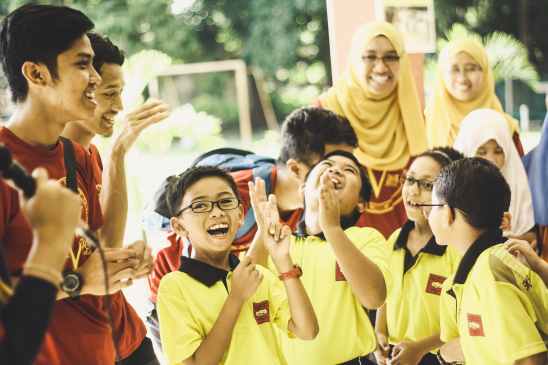
The second theme is the quality of activities planned out. As educators and school staff play a big part in children’s education, they impact the way children think of themselves and their individual abilities and talents. Through the research, it has been discovered that activities which children find valuable and experience enjoyment in prove to encourage them to fulfill their potential in varied learning dispositions.
A potential problem which may arise in Singapore mainstream schools would be the inevident focus on academic success as compared to an integrated approach to a spectrum of learning areas. This is an effect of the implementation of national examinations such as the PSLE and ‘O’ level examinations which determine the schools they are eligible to enter and consequentially the academic qualifications they obtain and the occupations they can work as. Hence, educators are responsible for planning and providing these children with activities which are suitable for them to carry out and instill a sense of curiosity and tenacity in finding out their individual talents. This provides the children with a platform to gain self-confidence by focusing more on their strengths than the weaknesses resulted from disabilities.
Although the first two themes are out of the child’s influence, the last theme depicts the child’s self-initiative in practising goal-directed tasks repeatedly. This is explained as the children’s engagement in daily tasks directed at providing them with methods of taking care of themselves and developing independence. As these children undergo repeated engagement, they develop problem-solving skills which assist them in finding solutions individually and hence interacting with the world around them.




 Characteristics, Issues and Challenges faced by Children with Cerebral Palsy